June 2, 2026 · 3 min read
How Community Paramedic Software Reduces Repeat 911 Calls and Improves Follow-Up
By Megan McMillian
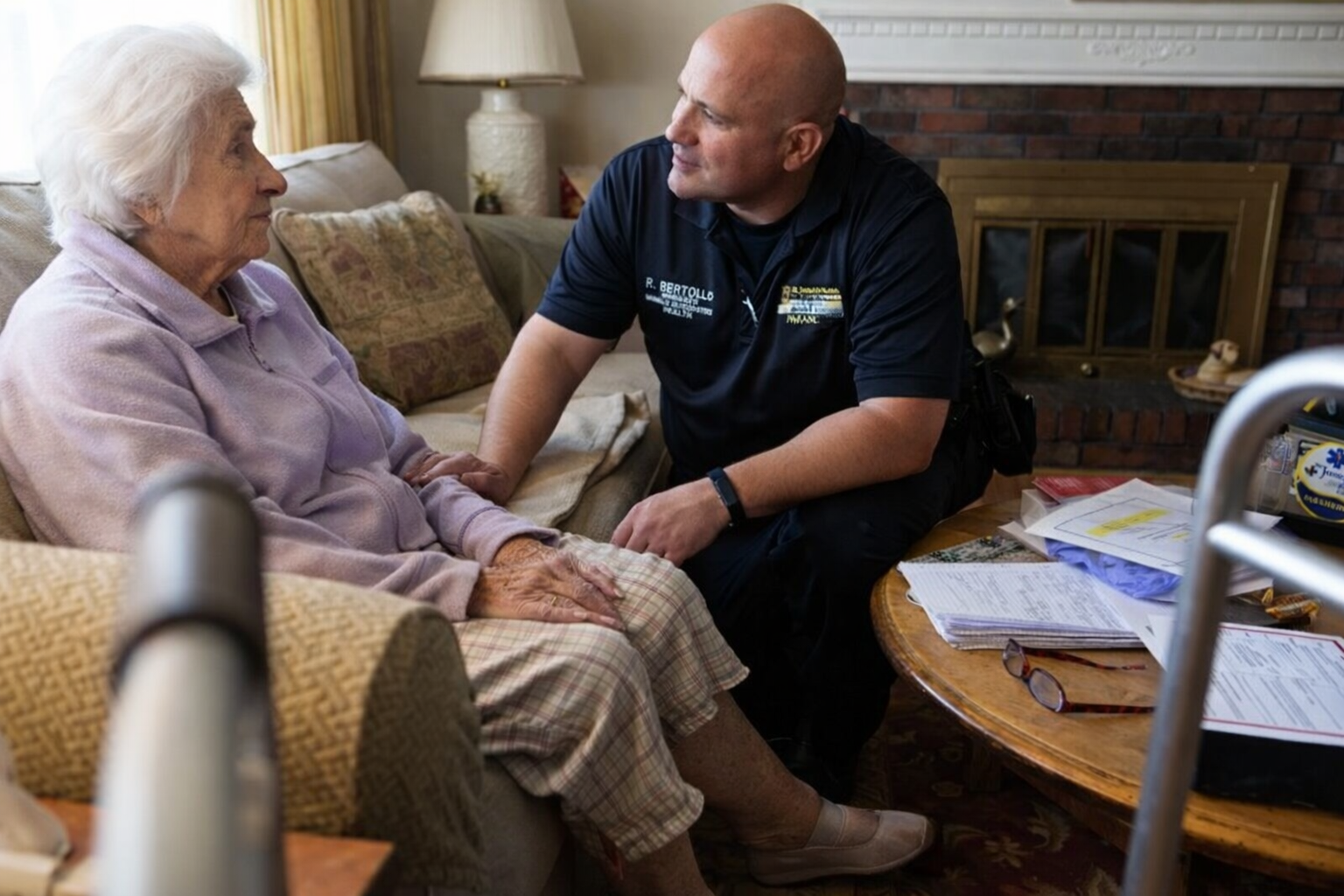
Many agencies launch community paramedicine programs with a clear goal: reduce repeat 911 calls and improve patient outcomes.
But the challenge isn’t starting a program—it’s sustaining it. Keeping every case moving across outreach, referral, and follow-up requires structure, visibility, and accountability.
Without dedicated community paramedic software, even the most well-intentioned programs struggle to scale.
Community paramedicine software—like Atlas—provides the operational backbone needed to manage high-utilizer populations, improve follow-up, and consistently reduce repeat 911 utilization.
Why Repeat 911 Calls Continue Without Community Paramedicine Software
Agencies without a purpose-built community paramedicine platform often rely on:
- Spreadsheets
- Disconnected notes
- Email reminders
- Manual tracking systems
This fragmented approach makes it difficult to manage frequent 911 callers and track unresolved barriers such as:
- Medication access
- Transportation
- Housing instability
- Primary care access
Without consistent follow-up, patients re-enter the emergency system—leading to higher call volumes and continued strain on EMS resources.
Crews recognize repeat callers, but without community paramedic software, leadership lacks the data needed to identify patterns, measure intervention success, and reduce repeat 911 calls at scale.
How Community Paramedic Software Creates a Closed-Loop Workflow
The most effective way to reduce repeat 911 calls is through a closed-loop community paramedicine workflow—and that requires purpose-built software.
Step 1: Identify Frequent Callers and High-Risk Cohorts
Community paramedic software allows agencies to identify and segment:
- Frequent 911 callers
- High-risk patients
- Social determinant-driven cases
Atlas helps teams prioritize outreach using real data—ensuring resources are focused where they will reduce repeat 911 utilization most effectively.
Step 2: Standardize Assessments and Care Plans
Reducing repeat calls requires consistent, high-quality patient interactions.
Community paramedicine software enables:
- Structured assessment templates
- Standardized documentation
- Clear care plans with assigned ownership
Atlas ensures every patient encounter captures the right data and moves seamlessly into the next step of the workflow.
Step 3: Track Referral Completion (Not Just Referral Creation)
One of the biggest gaps in community paramedicine programs is referral follow-through.
A referral that isn’t completed does not reduce 911 utilization.
Community paramedic software—like Atlas—tracks:
- Referral status
- Pending and overdue actions
- Partner follow-through
This ensures patients actually connect to services, closing the loop and preventing repeat 911 calls.
Step 4: Automate Follow-Up and Case Progression
Consistent follow-up is critical to reducing repeat callers.
Atlas helps agencies:
- Schedule and manage follow-ups
- Track open vs. closed cases
- Ensure no patient falls through the cracks
By automating workflow and visibility, community paramedicine software makes follow-up reliable and repeatable.
Step 5: Measure Outcomes and Reduce Repeat 911 Calls
Without data, programs cannot prove impact.
Community paramedic software provides real-time insights into:
- Repeat 911 call reduction
- Patient utilization trends
- Referral completion rates
- Encounter and follow-up performance
Atlas transforms community paramedicine into a measurable, data-driven strategy—helping agencies justify funding, expand programs, and improve outcomes.
Operational Best Practices for Community Paramedicine Programs
Even with the right community paramedic software, execution matters.
Run weekly case reviews
Use dashboards to monitor:
- High-risk patients
- Stalled referrals
- Upcoming follow-ups
Define ownership across the workflow
Atlas supports accountability by making it clear who owns:
- Data entry and quality
- Referral follow-up
- Program reporting
When paired with disciplined operations, community paramedicine software becomes a powerful tool for reducing repeat 911 calls.
As EMS agencies face rising call volumes and increasing demand, reducing repeat 911 calls is no longer optional—it’s essential.
Community paramedicine software enables agencies to:
- Proactively manage frequent callers
- Improve care coordination
- Reduce unnecessary EMS utilization
- Scale programs without increasing administrative burden
Atlas is designed specifically to support these outcomes—helping agencies operationalize community paramedicine and deliver measurable results.
Bottom Line
Community paramedic software doesn’t replace clinical care—it strengthens it.
By providing structure, visibility, and accountability, Atlas helps agencies:
- Reduce repeat 911 calls
- Improve patient follow-up
- Close referral loops
- Measure real impact
Agencies that invest in community paramedicine software are better equipped to deliver proactive, efficient, and sustainable emergency response.
If your agency is working to reduce repeat 911 calls but still relying on manual processes, it’s time to modernize your approach.
Atlas provides the community paramedicine software you need to track patients, manage workflows, and ensure every case reaches resolution.
Ready to reduce repeat 911 utilization and improve follow-up?
Schedule a demo to see how Atlas supports a fully closed-loop community paramedicine program.